
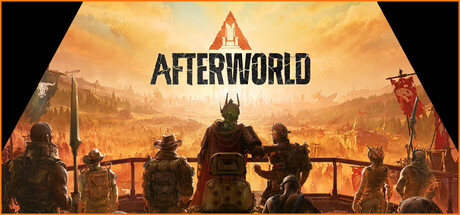
An Origin defines the survivor beginning; resources, settlements, migration, convoys, discoveries, and events then shape a dynamic campaign and Ideas Tree.
Afterworld begins by choosing an Origin for a survivor group, then turns survival into state building through resources, settlements, migration, logistics, discoveries, and a dynamic Ideas Tree. Paradox names bunker shelterfolk and wayward zealots as examples, but it has not published the complete Origin roster or exact bonuses.
Each campaign uses a newly generated version of North America. Terrain, hazardous regions, old-world ruins, rivals, and opportunities can therefore change between runs. Food, water, and fuel support the population and expansion. Settlements create a territorial base, while migration changes where people live and work.
Convoys and supply lines connect distant holdings. That makes expansion more than coloring a map: a newly controlled area must remain supplied. Discoveries and events feed a dynamic Ideas Tree, so development is presented as a response to what the society encounters rather than one identical research sequence.
The announcement does not disclose exact resource ratios, construction times, Origin modifiers, migration formulas, logistics range, or individual Ideas. It therefore supports a systems reference, not a best-start guide. Any ranked Origin list or opening build order published before those values can be reproduced would be guesswork.
Sources & evidenceOpen the references used for this page
QUICK ANSWERS
Questions players ask next
What are Origins in Afterworld?
They are starting identities for the survivor group; examples include bunker shelterfolk and wayward zealots.
Is the Ideas Tree fixed?
Paradox says it dynamically develops from discoveries and events during the campaign.
HELP SHAPE THE NEXT UPDATE
Missing an answer—or found something outdated?
Send the exact game problem, platform, and version. Corrections are reviewed before expansion requests.